
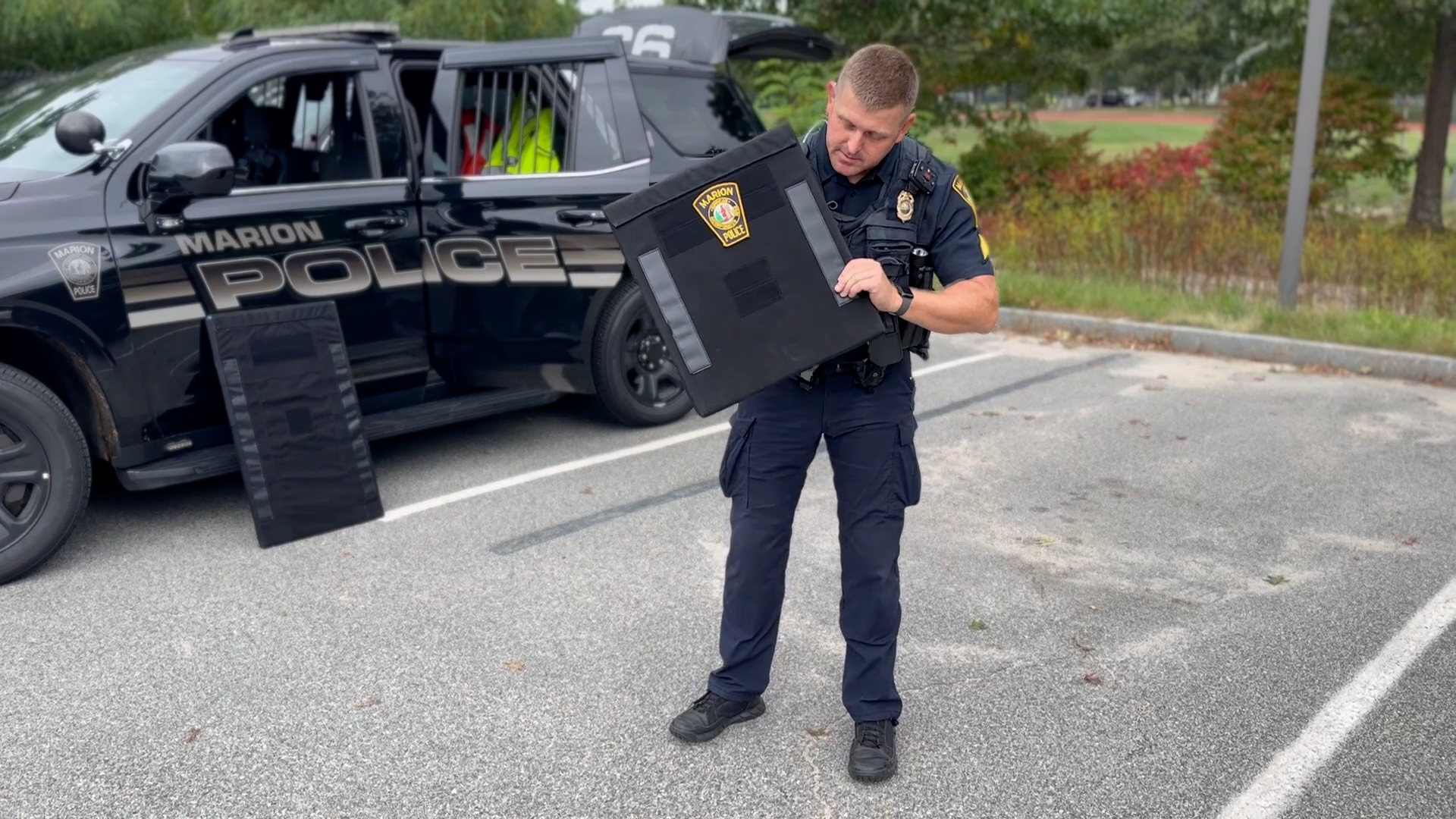
Ballistic Shield Daily Use vs Occasional Use: What Changes in Procurement
A shield that performs adequately for occasional deployment may create significant operational problems in daily use.
For Law Enforcement | SROs | Chiefs & Command Staff
TL;DR:
- How often a shield is used changes what matters most in procurement. A shield that feels acceptable for occasional deployment may create real operational problems when used daily
- Daily use amplifies every design limitation: weight, balance, handle ergonomics, mobility in confined spaces, and maintenance burden. They all become more significant with frequency
- SROs and patrol officers who carry shields regularly need to evaluate them differently from tactical teams that deploy shields in specific, infrequent scenarios
- The procurement question for daily-use environments is not just whether the shield can be used when needed. It is whether it can be used effectively, consistently, and without avoidable physical burden across repeated real-world use