Protective Equipment Placement in Schools

Where you stage it determines whether it works

For SROs | School Security Staff | Safety Leads
TL;DR:
  • Placement is an operational decision, not just a facilities one, where a shield is staged determines whether it is accessible when needed
  • Placement should be guided by threat assessments, evacuation routes, lockdown zones, and staff training
  • Accessibility for trained personnel and discretion for the learning environment are not competing objectives
  • GC Patrol Shield and GC Compact Shield are both designed for school deployment scenarios

A BALLISTIC SHIELD STORED WHERE YOU CAN’T REACH IT IS NOT PROTECTION

IT IS INVENTORY

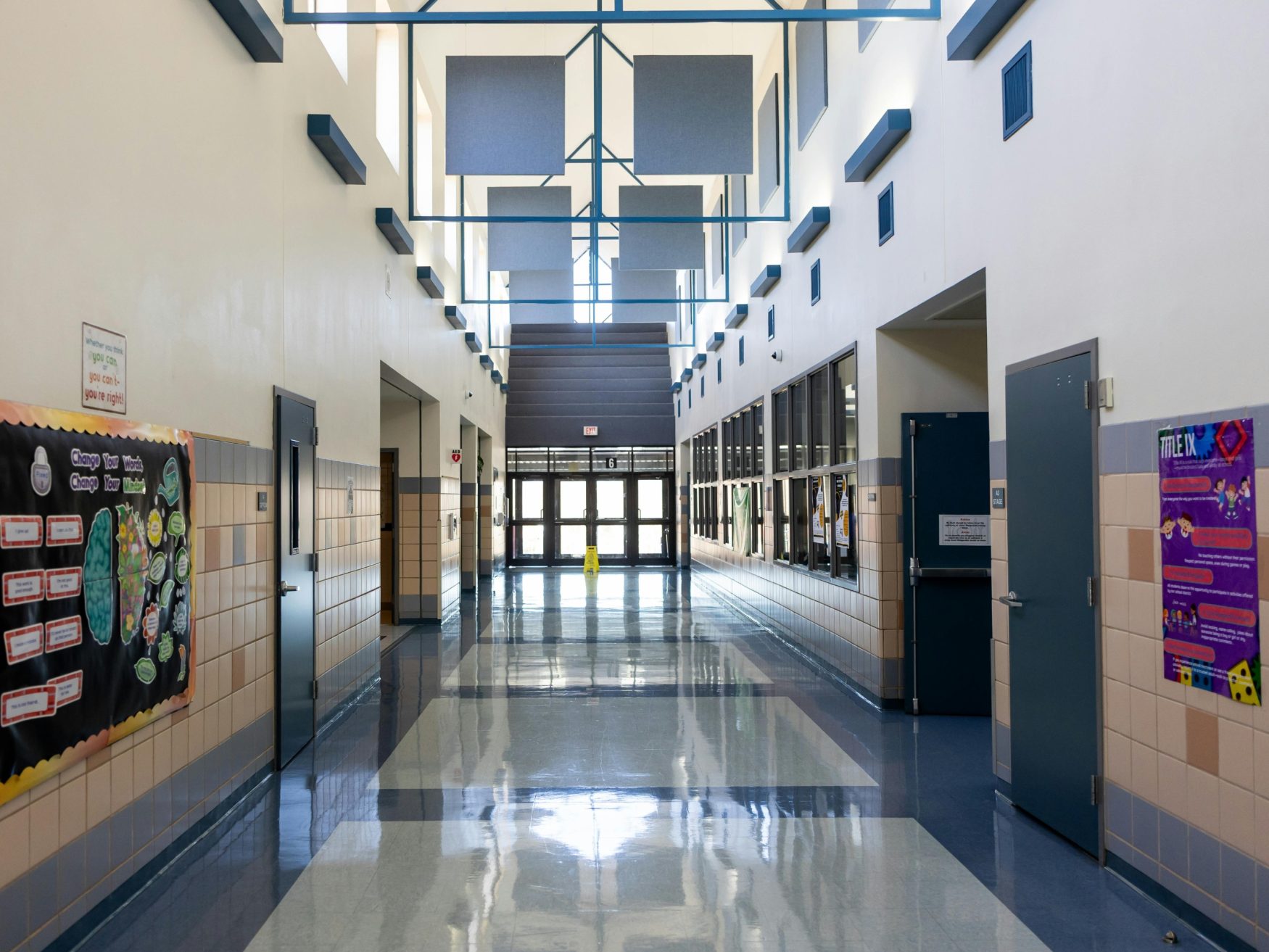
Ballistic shield placement in schools are among the key operational choices a school security programme makes, and among the least discussed. Risk assessments identify threats. Response plans define procedures. Training builds capability. Placement determines whether all of that effort translates into actual options during an incident.

1. Start With the Threat Assessment

Placement follows risk. Before deciding where to stage protective equipment, the threat assessment should have identified the highest-risk areas in the facility: likely entry points for an active threat, high-density spaces where occupant concentration creates vulnerability, and the routes an SRO would need to travel to respond to each scenario.

Equipment staged at the point of an SRO’s daily post or patrol route covers the most ground for the most likely scenarios. Equipment staged based on available storage space covers the storage closet.

If you have not yet conducted a formal threat assessment, active shooter preparedness starts there.  Placement decisions made without one are informed guesses at best. CISA’s K-12 School Security Guide for School Resource Officers provides federal guidance on physical security planning and vulnerability assessment in school environments.

2. Placement Principles

Not all staging decisions are equal. These four principles should guide where and how protective equipment is positioned in any school environment.

Accessibility

The person who needs the shield needs to reach it in seconds, not minutes. A single staging point that requires crossing the building under active threat conditions is not accessible. It is optimistic planning that fails when it matters most.

Alignment

Placement must match what the response plan says will happen. If the lockdown plan has an SRO advancing from the east wing, the shield should not be staged in the west wing. Contradictions create confusion under stress.

Redundancy

Larger facilities may benefit from multiple staging locations, reducing the distance any trained user needs to travel. This requires more training investment but significantly increases the likelihood equipment is available when needed.

Discretion

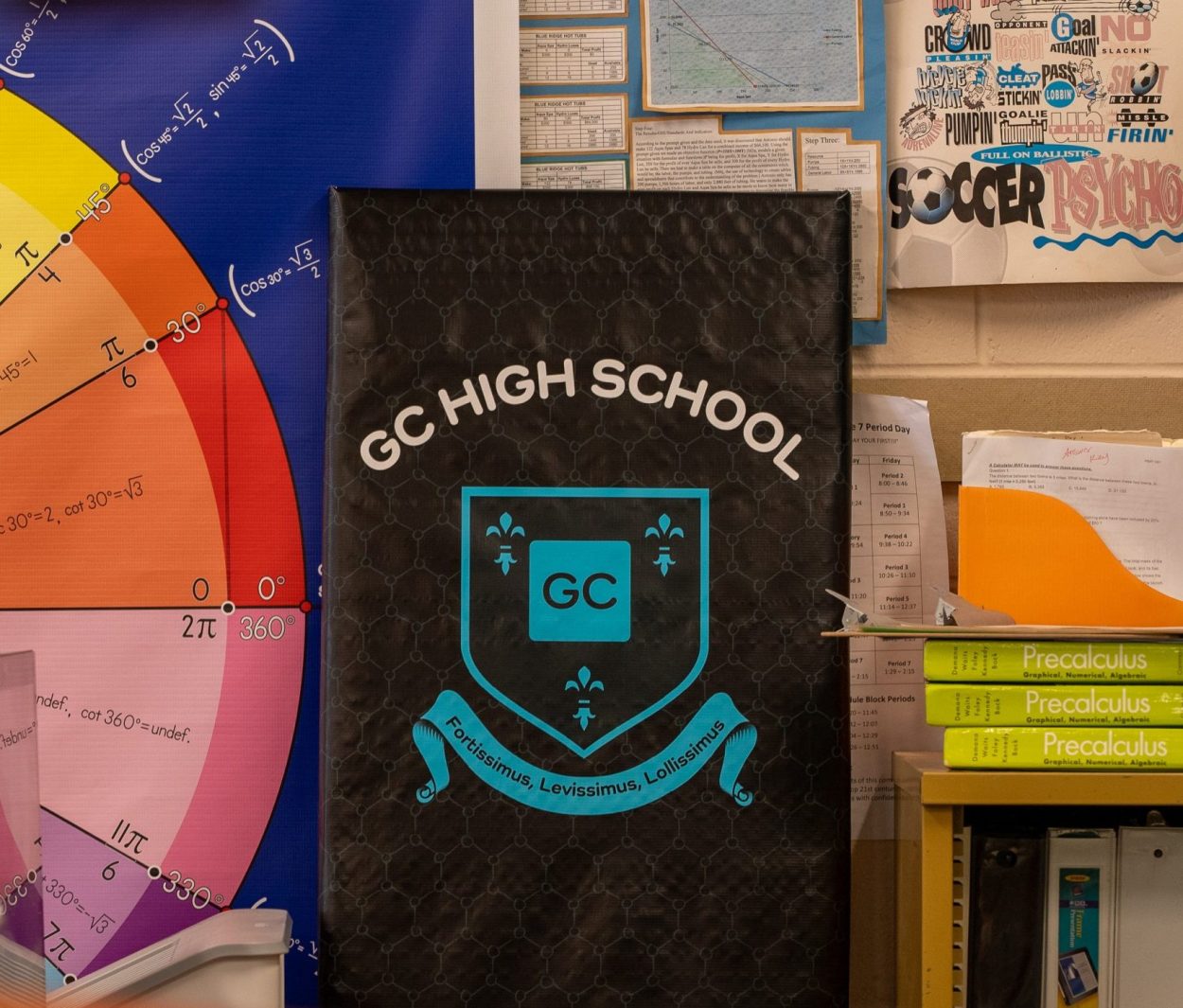
Schools are learning environments. Visible security equipment affects the psychological experience of students and staff daily. Equipment should be stored out of general view without being hidden from those who need quick access.

3. Placement by Setting

The right placement depends on the deployment model. These are the four most common school security configurations and the placement approach for each.

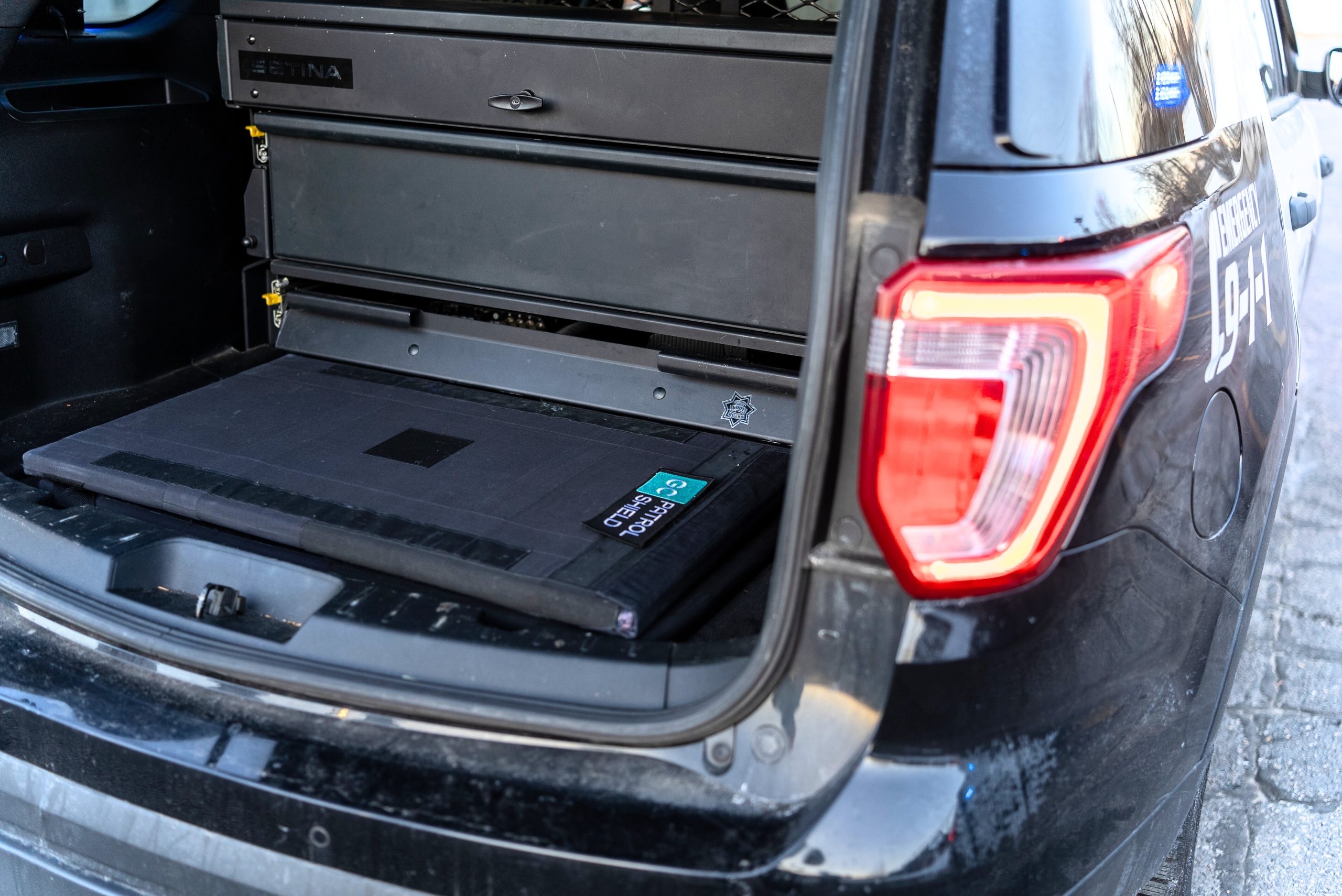
Vehicle-Based SROs For patrol-based SROs, the vehicle is the primary staging point. GC Compact Shield at 10 lb and half the size of the full patrol model is designed specifically for this deployment: it fits on the passenger seat, deploys immediately on reaching an incident, and provides rifle-rated protection for an officer moving rapidly from vehicle to building.

Building-Based Security Offices For building-based staff, a locked cabinet or mount in the security office gives immediate access from the primary post. If the security office is not centrally located, consider whether a second staging point at the opposite end of the building is warranted.

Larger Campuses With Multiple Buildings Multi-building campuses should assess placement independently per building using the threat assessment for each structure. A single centrally staged shield serving multiple buildings is rarely sufficient.

Shared Facilities High-density shared spaces, gyms, auditoriums, cafeterias, used by large groups at predictable times are among higher-risk areas in most school facilities. Consider whether a staged location near these spaces is appropriate given the response plan for those scenarios.

4. TRAINING IS PART OF PLACEMENT

A placement decision is not complete until every person who is trained and authorised to access the equipment knows exactly where it is, how to access it, and what role it plays in the response plan. This should be part of initial training and reinforced at every drill.

If the location changes due to a facility renovation, a staffing change, or a plan revision, training must be updated. Equipment that has moved without training being updated creates the same problem as equipment that was never placed correctly.

5. WHAT EQUIPMENT PLACEMENT DOES AND DOESN’T DO

Placement does:

  • Improve accessibility to protective resources for trained personnel
  • Reduce response time when equipment is needed during an incident
  • Support documented lockdown and evacuation procedures
  • Strengthen institutional duty of care when documented alongside training records
  • Enable SROs and security staff to act decisively without losing time locating equipment

Placement doesn’t:

  • Replace comprehensive planning and training
  • Eliminate all risk during emergencies
  • Substitute for coordination with first responders
  • Guarantee outcomes in scenarios that don’t match the documented response plan

Placement is one decision in a broader system. Getting it right matters. Treating it as the whole system is a mistake.

  1. Equipment placement is an operational decision driven by threat assessments, response plans, and staff roles, not available storage space
  2. Accessibility, alignment, redundancy, and discretion apply in every school security configuration
  3. Vehicle-based SROs, building-based staff, multi-building campuses, and shared facilities each have distinct placement considerations
  4. Placement is not complete until every trained user knows the location, access procedure, and the role the equipment plays in the response plan


READY TO DISCUSS PLACEMENT FOR YOUR SCHOOL?

GC works with schools and SROs to identify the right equipment and staging approach for their specific environment.

Speak to the team about GC Patrol Shield and GC Compact Shield deployment options.

FAQs

  • Where should a ballistic shield be stored in a school?

    Placement should be driven by the threat assessment, not available storage space. Equipment should be staged at or near the SRO’s daily post or patrol route and aligned with the scenarios the response plan addresses. A shield stored in a location that requires crossing the building under active threat conditions is not accessible, it is optimistic.

  • How should SROs stage protective equipment in a school?

    For patrol-based SROs, the vehicle is the primary staging point. GC Compact Shield at 10 lb is designed specifically for this deployment, fitting on the passenger seat for immediate access. For building-based SROs, a locked cabinet or mount in the security office gives immediate access from the primary post.

  • What is the best placement for a ballistic shield in a school building?

    The best placement is the location that allows the trained user to reach the equipment in seconds, aligns with the documented response plan, and keeps the equipment out of general view without hiding it from those who need access. For most building-based security staff, that means a security office or administrative post centrally located relative to the highest-risk areas identified in the threat assessment.

  • Should a school have more than one ballistic shield?

    Larger facilities and multi-building campuses should assess whether a single staging point creates a single point of failure. Multiple staged locations reduce the distance any trained user needs to travel and increase the likelihood equipment is accessible when needed. Each additional staging point requires equivalent training investment, every person near a staged location should know the access procedure and their role.

  • How do you balance security equipment visibility with a school learning environment?

    Visible security equipment affects the psychological experience of students and staff daily. Equipment should be stored out of general view without being hidden from those who need quick access. GC Patrol Shield’s clean profile make it easier to store discretely than many conventional shields. School-branded covers are also available, allowing the shield to blend into its surroundings when staged in a classroom or office.

  • What is the best ballistic shield for a vehicle-based SRO?

    GC Compact Shield is designed specifically for vehicle-based deployment. At 10 lb and half the size of the full patrol model, it fits on the passenger seat of a cruiser, deploys immediately on reaching an incident, and provides rifle-rated protection for an officer moving rapidly from vehicle to building.

See more