A common mistake is to treat funding as a checklist: “What can we buy?” A more effective approach is: “What do we need, based on our risks and response plans?”
Step 1: Assess Identify risks and vulnerabilities within your school environment. Understanding your specific gaps is the foundation for all funding decisions.
Step 2: Plan Define how your school will respond in different scenarios. Clear documented plans ensure decisions during emergencies are guided, not improvised.
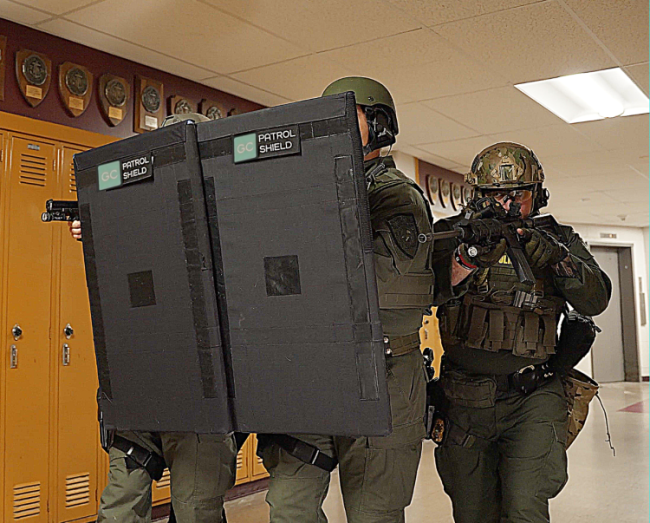
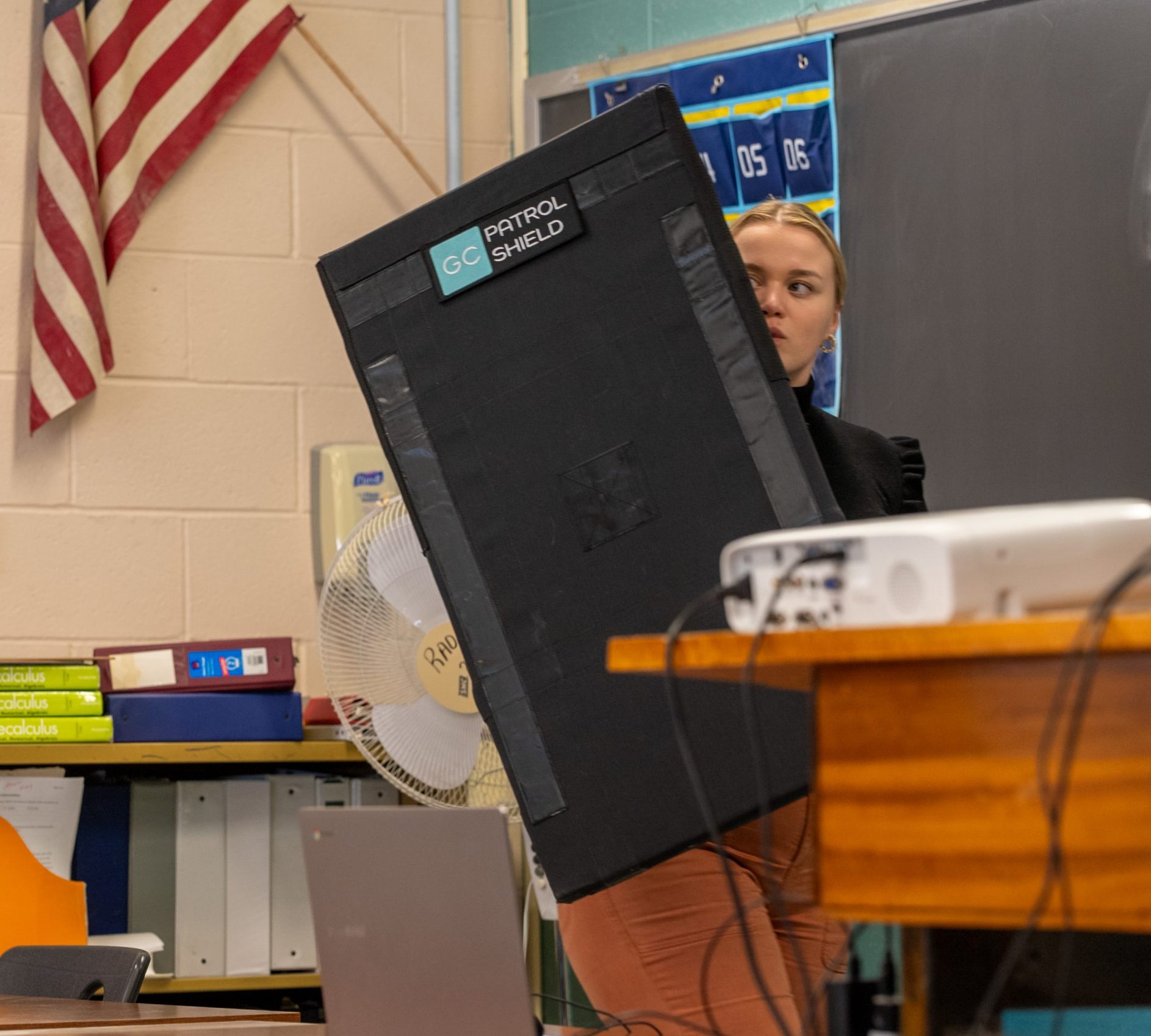
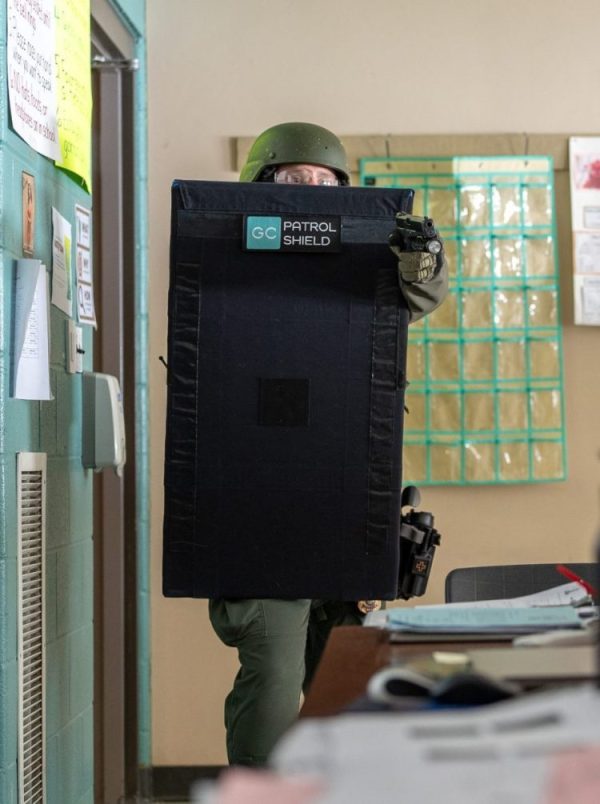
Step 3: Equip Select tools and resources that support those plans. Consider who will realistically need to use them. Equipment should be accessible to all trained staff, not just the most physically capable.
Step 4: Train Ensure staff understand their roles, responsibilities, and procedures. Equipment is only effective when the people using it are prepared and confident.
Step 5: Review Continuously update plans as environments and risks evolve. Consider whether equipment remains accessible, maintained, and integrated into updated procedures. Equipment with long-term warranties, such as GC Patrol Shield’s 10-year warranty, supports planning confidence over time.
For SROs and school security staff, read our guides to active shooter preparedness in schools and ballistic shield placement in schools to ensure your HB33 funded equipment is fully integrated into your preparedness programme. For administrators and procurement officers, read our guide to school security planning and duty of care.