
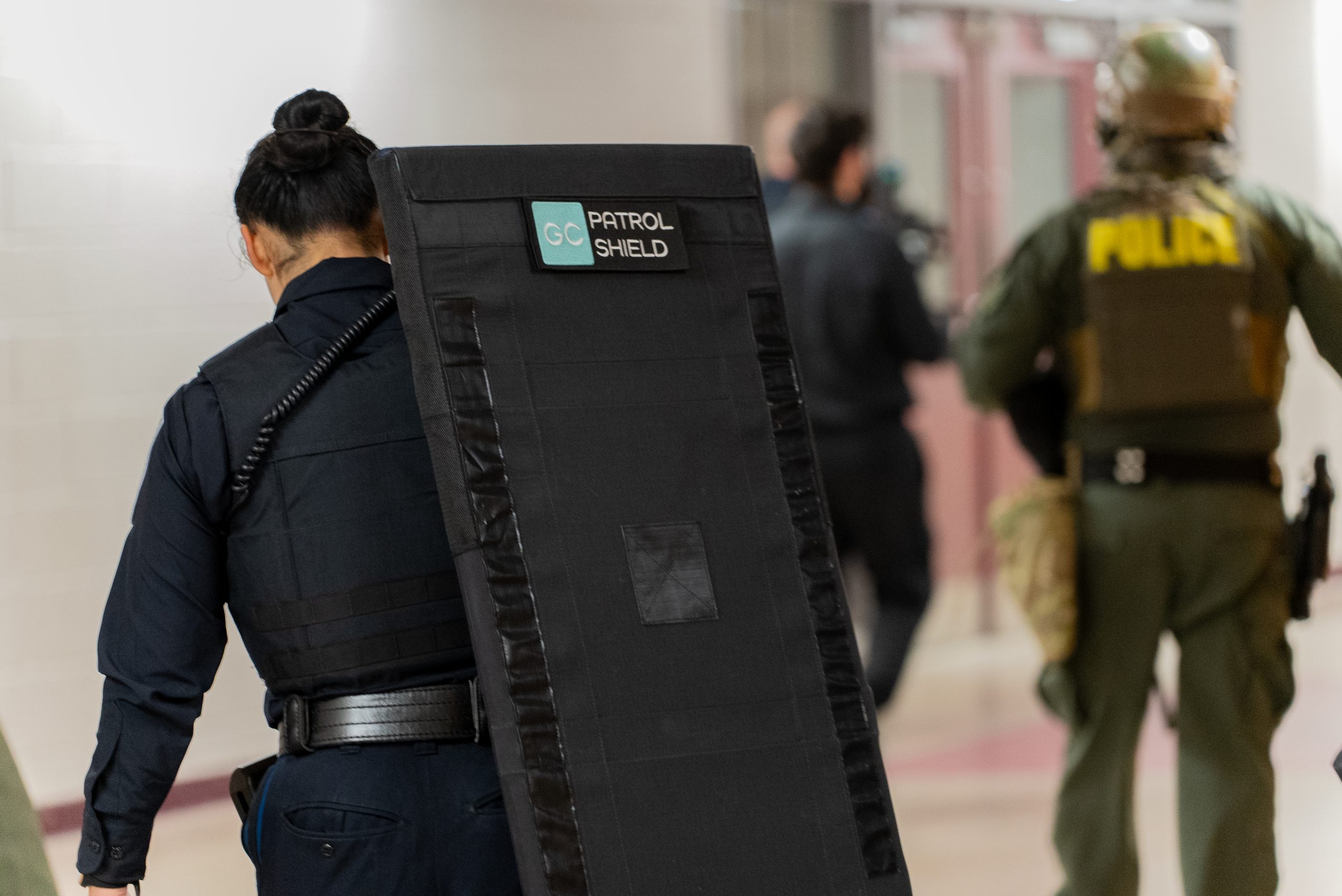
Ballistic Shield Procurement: How to Evaluate Without Over-Indexing on Cost
Cost is a legitimate procurement factor. It is not a reliable indicator of real-world performance.
For Law Enforcement | Chiefs & Command Staff | Procurement Officers
TL;DR:
- Cost is a legitimate procurement factor but it is not a reliable indicator of real-world performance, and using it as the primary comparison point between shields that appear similar on paper introduces risk
- Two shields at the same NIJ protection level and similar price can differ significantly in weight, edge performance, environmental resilience, fastener integrity, and long-term durability
- The costs that do not appear in the purchase price, fatigue-related performance degradation, reduced adoption, maintenance frequency, earlier replacement, can make a lower-cost shield more expensive over its service life
- A balanced evaluation weighs upfront cost against long-term value, using testing data, field evaluation, and total cost of ownership